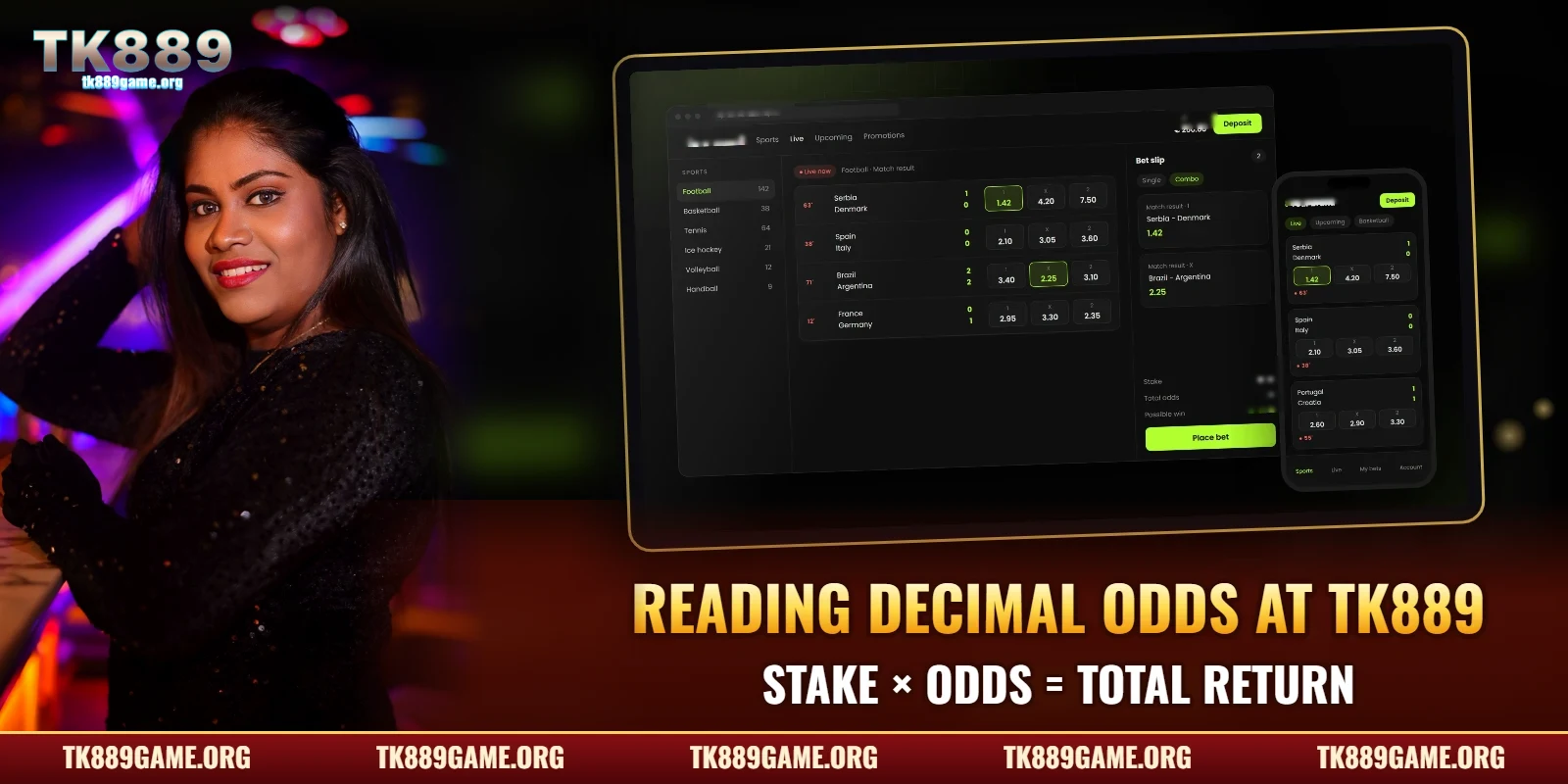
If you want to know how to read betting odds, start with two facts: the price tells you how much a winning bet returns and how likely the bookmaker thinks that outcome is. On TK889 every price is shown as decimal odds, so the maths is one line: stake × odds = total return. A ৳100 bet at 1.90 returns ৳190, which is your ৳100 stake plus ৳90 profit. Divide 100 by the decimal price and you get the implied probability, so 1.90 implies about 52.6%. Decimal is the most popular format worldwide because it needs no conversion, but Bangladeshi punters also meet Indonesian, Malay, Hong Kong, American and fractional prices, and all of them are covered below.
Quick answer: reading the three main odds formats
- Decimal (1.90): multiply the stake by the odds to get the total return – ৳100 × 1.90 = ৳190, profit ৳90.
- Fractional (5/1): the first number is the profit, the second is the stake – ৳100 at 5/1 wins ৳500 profit and returns ৳600 (decimal 6.00).
- American (+200 / −150): a plus number is the profit on a ৳100 stake, so +200 returns ৳300; a minus number is the stake needed to win ৳100, so −150 means risking ৳150 to win ৳100 (decimal 1.67).
How to read betting odds: Understanding Decimal odds
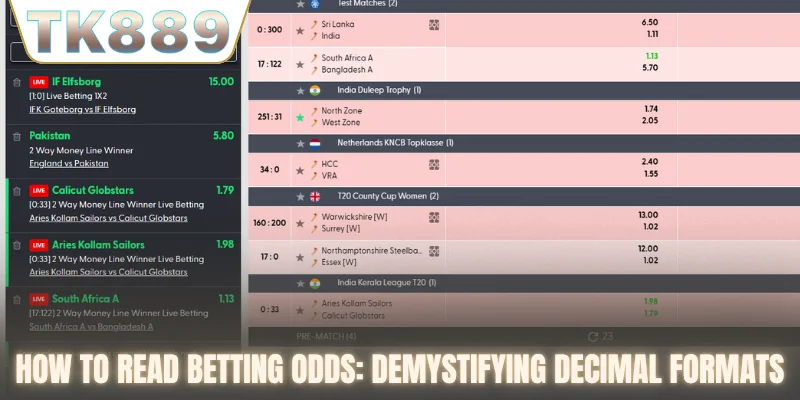
When exploring how to read betting odds, you will find that Decimal odds are widely popular among punters because they use a clear decimal format to display stakes and provide a quick view of an event’s probability. This format makes it easy to compare lines without complicated formulas, letting you instantly gauge potential winnings where higher numbers indicate larger payouts. For instance, many bookmakers let bettors switch between decimal and fractional formats according to their personal preference.
Understanding this format is essential for maximizing your betting efficiency across global platforms. Here are the core characteristics that make decimal odds the preferred choice for modern sports bettors:
- Simplicity and transparency: The decimal figure directly represents your total payout multiplier, eliminating the need to calculate complex fractional ratios.
- Instant value comparison: Punters can quickly scan different bookmakers to compare odds side-by-side and secure the best market value.
- Seamless probability tracking: Higher numbers instantly signal lower statistical probabilities and higher risk, while lower numbers highlight clear favorites.
What odds mean behind the numbers
When learning how to read betting odds, it is crucial to remember that these numbers are fundamentally based on probability. They simply reflect statistical estimations rather than acting as a guaranteed certainty that a specific event will happen.
- Implied probability (%) = 100 ÷ decimal odds. For example, decimal odds of 2.00 imply 50%. This is the probability implied by a price, not a verified chance of the event occurring.
- Decimal odds express a total-return multiplier, including the original stake. A multiplier of 1.20 corresponds to 120%, not 120% profit.
Payout calculation methods
When mastering TK889 how to read betting odds, calculating potential returns using decimal odds is simple and transparent. To work out your total payout, you multiply your stake by the odds:
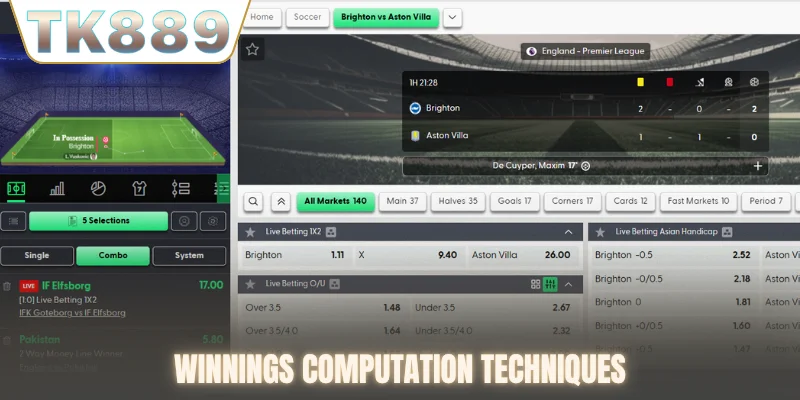
| Example | Odds | Stake | Total Payout | Note / Equivalent |
|---|---|---|---|---|
| Example 1 | 5.00 | £1 | £5 | Standard return calculation |
| Example 2 | 5.00 | £5 | £25 | Scaled stake return calculation |
| Example 3 | 2.00 | £3 | £6 | Equivalent to traditional 1/1 evens |
Why odds move
Mastering how to read betting odds requires understanding that these numbers are never static. Bookmakers continuously adjust the lines to manage financial risk and reflect changing probabilities as new information becomes available on the betting floor.
Market activity
When learning how to read betting odds, you will notice that odds shift constantly leading up to an event based on overall market activity and liquidity flow. This continuous adjustment is driven by the volume of money entering the system from casual punters and institutional traders alike.
In a hypothetical illustration, if more than ৳5 crore in early bets floods in for a favourite like Manchester City, bookmakers will quickly drop their decimal odds from 1.80 to 1.65 to minimize financial exposure. At the same time, they will raise the underdog’s price to attract balanced action on the other side.
Team news
When analyzing how to read betting odds, any unexpected team news, such as a star striker suffering a hamstring injury during Friday’s training session or a surprise defensive lineup change, will immediately alter the pre-match probabilities. When such critical reports break, odds can swing dramatically within minutes – shifting a team’s price from 2.10 out to 2.70 as the market reprices the risk.
Real-time match developments
When mastering how to read betting odds, you must account for the fact that odds fluctuate continuously during live events to accurately reflect unfolding action on the pitch. Bookmakers instantly recalculate these numbers to match real-time developments and manage financial risk as the game progresses.
- Sudden red cards: A major disciplinary action, such as a red card in the 25th minute, dramatically shifts team momentum and forces an immediate repricing of the match.
- Surprise opening goals: An unexpected early goal alters win probabilities instantly, often plummeting the leading team down to short prices like 1.20.
- Trailing side surge: Following a momentum-shifting event, the trailing team’s odds can skyrocket to 5.50 or higher to reflect their steep uphill battle.
Public sentiment and media hype
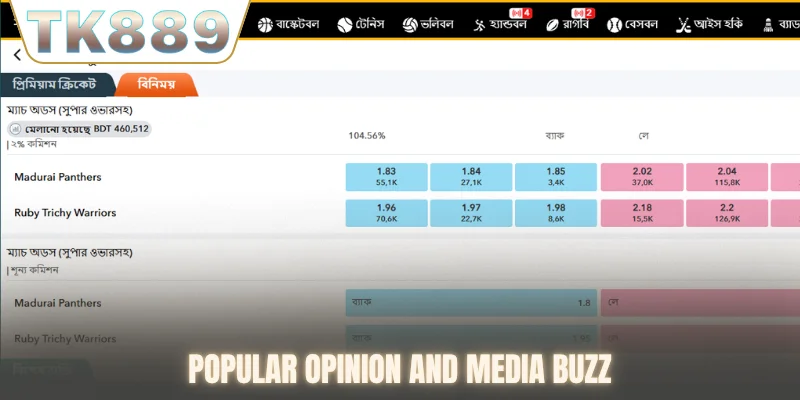
When evaluating how to read betting odds, it is vital to recognize how public bias and heavy media coverage drive market changes. If a popular team receives overwhelming casual support, bookmakers will shorten their odds regardless of true statistical value, forcing sharp bettors to look for value on the opposite side.
Sharp money influence
When studying how to read betting odds, you should understand the powerful impact of professional syndicates and sharp bettors on the market. Bookmakers closely monitor these experienced actors, immediately responding to large late wagers because those wagers can affect their pricing and exposure. A price move alone does not establish the true probability of the result.
- Professional syndicates: Experienced betting groups inject massive sums late in the cycle, leveraging deep statistical models that outpace casual public trends.
- Immediate price slashing: Bookmakers rush to cut odds on the backed selection to minimize their financial liability against sophisticated betting strategies.
- Interpretation limit: A movement may reflect new information, exposure or market liquidity. It is not proof of insider knowledge or a winning selection.
Other odds formats: Indonesian, Malay, Hong Kong, American and fractional
Asian bookmakers often show the same price in several formats. Once you convert any of them to decimal odds, the maths from the sections above works the same way, so every TK889 cricket betting market can be read in whichever format you prefer.
How to read Indonesian odds
Indonesian (Indo) odds are either positive or negative. A positive number such as +1.50 is the profit you win for every 1 unit staked, so it equals decimal odds of 2.50. A negative number such as -1.25 is how much you must stake to win 1 unit, which equals decimal odds of 1.80. Conversion: positive Indo + 1 = decimal; for negative Indo, decimal = 1 + 1 ÷ the number without the minus sign.
How to read Malay and Hong Kong odds
Hong Kong odds show profit per 1 unit staked, so decimal = HK + 1 (HK 0.80 = decimal 1.80). Malay odds sit between -1 and +1: a positive Malay price works like Hong Kong odds, while a negative one such as -0.67 means you stake 0.67 to win 1 unit (decimal 2.50).
| Decimal | Hong Kong | Indonesian | Malay | American | Fractional |
|---|---|---|---|---|---|
| 1.50 | 0.50 | -2.00 | 0.50 | -200 | 1/2 |
| 1.80 | 0.80 | -1.25 | 0.80 | -125 | 4/5 |
| 2.00 | 1.00 | +1.00 | 1.00 | +100 | 1/1 |
| 2.50 | 1.50 | +1.50 | -0.67 | +150 | 3/2 |
| 3.00 | 2.00 | +2.00 | -0.50 | +200 | 2/1 |
Worked example with BDT
Say a BPL team is priced at Indonesian odds of -1.25 and you stake ৳500. Converted to decimal, that is 1.80, so a winning bet returns ৳500 × 1.80 = ৳900: your ৳500 stake plus ৳400 profit. The same bet shown as Malay 0.80 or Hong Kong 0.80 pays exactly the same amount.
The same reading applies to every market in the TK889 Sports hub: a football 1X2 price of 2.10 or a cricket match-winner price of 1.75 is still stake × odds, and when the line carries a handicap such as −0.5 or +1.5, the Asian Handicap guide explains how that changes the settlement.
Frequently Asked Questions
To help you master the knowledge and feel more confident when placing bets, here is the answers section for common questions surrounding the topic of reading odds:
- How to identify good odds? Compare decimal odds with the actual match probability. Higher odds mean greater potential profit but also higher risk.
- How do decimal odds differ from other formats? They are very intuitive, easy to read, and display the exact total return (including stake and profit) without complex conversions like fractional or American odds.
- What should beginners keep in mind when reading odds? Choose familiar matches, understand the settlement rules and calculate the possible return from the stake. Short odds can still lose.
- Is playing bookmaker odds at TK889 safe? An odds display cannot establish account or payment security. Use the correct site and payment instructions, and remember that every wager can lose.
What does +200 odds mean?
+200 is an American price meaning you win ৳200 profit for every ৳100 staked. A ৳100 bet returns ৳300 in total (stake plus profit), which is the same as decimal odds of 3.00 or fractional 2/1, and it implies a probability of about 33.3%.
What do the + and − signs mean in American odds?
A plus sign shows the profit on a ৳100 stake and usually marks the underdog, while a minus sign shows how much you must stake to win ৳100 and usually marks the favourite. For example, −125 means risking ৳125 to win ৳100 profit, which equals decimal odds of 1.80.
What does 11 to 2 odds mean?
11 to 2 (written 11/2) is a fractional price: you win ৳11 profit for every ৳2 staked. A ৳200 bet wins ৳1,100 profit and returns ৳1,300 in total, which equals decimal odds of 6.50 and an implied probability of about 15.4%.
Which is better, 5/1 or 7/1?
7/1 pays more: a ৳100 stake returns ৳800 (decimal 8.00) against ৳600 at 5/1 (decimal 6.00). The higher price also signals a lower implied chance of winning, 12.5% at 7/1 compared with about 16.7% at 5/1, so the better price depends on how likely you think the outcome really is.
Conclusion
Knowing how to read betting odds helps a player calculate a potential return and compare prices, but it does not predict the winner. This knowledge page belongs in the TK889 Sports hub alongside market-specific guides. Once decimal prices are understood, the Asian Handicap explanation shows how whole, half and quarter lines change the settlement of a football selection.